
The Sampling Room That Protects the Order
Bulk problems are usually sampling problems that were approved anyway. The sampling room is the cheapest place in the factory to fail, and the most expensive place to be vague.
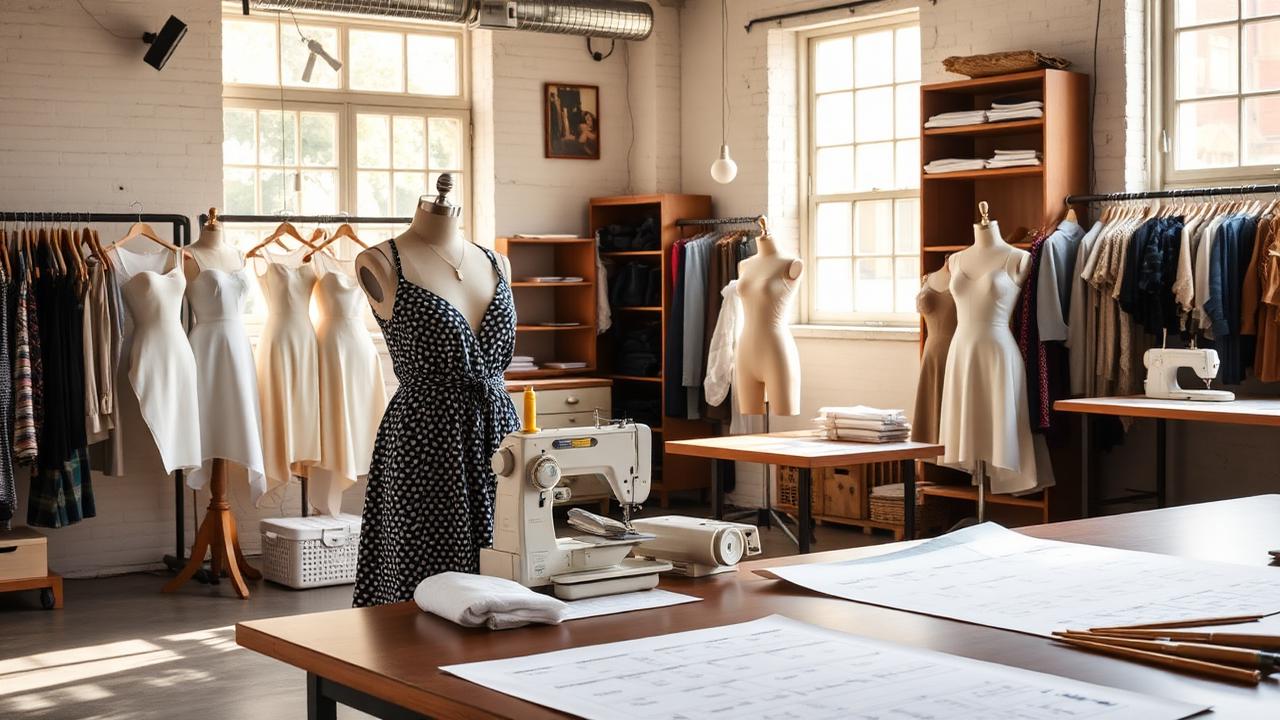
Know what each sample stage is for
Proto answers whether the design works. Fit answers whether the pattern works. SMS answers whether the factory can repeat it. PP answers whether bulk material, bulk machines and bulk operators can repeat it. Skipping a stage does not save time; it moves the discovery to a more expensive week.
- Proto: construction and design intent, any available fabric
- Fit: graded measurements on the intended base size
- SMS / salesman: appearance and colour on bulk-equivalent fabric
- PP: bulk fabric, bulk trims, bulk line — the production contract
The PP sample is a contract, not a formality
A pre-production sample made in the sample room by the best tailor tells you nothing about bulk. Make it on the line that will run the order, with the actual fabric lot and the actual trims, and let the operators who will sew it be present at the approval.
Record every approval comment as a measurable change with a page reference in the tech pack. "Sleeve slightly tight" is not a comment anyone can implement; "increase sleeve opening by 1 cm at armhole, size M base" is.
Close the pattern loop
The most common silent failure is a fit correction agreed verbally and never written into the graded pattern. Every approval must end with a pattern version number, a date and a named owner. If the bulk pattern version is not the one referenced on the approval sheet, the order is already at risk.
Hand over a pack, not a sample
Bulk should receive a physical handover: approved PP sample sealed and dated, measurement chart with tolerances, approved trim card, workmanship standard for the critical operations, and the defect catalogue. A sample hanging on a rail without that pack becomes whatever the supervisor remembers of it.
- Sealed and dated approved sample, kept out of production use
- Measurement chart with tolerance per point
- Trim card and shade band with approval signatures
- Workmanship standard photographs for critical seams
More field notes
- AQL Sampling in Practice: Garment Quality Control Done Right
A practical garment quality control guide to AQL sample sizes, switching rules and the three habits that quietly invalidate a final random inspection.
- Digital Traceability: The First 90 Days
A realistic rollout sequence for material traceability, from PO mapping to shop-floor scanning discipline.
- Lean Manufacturing Without Layoffs: Balanced Sewing Lines
Lean manufacturing in apparel: how line balancing, takt time and WIP control raise output while protecting operators — with the metrics that prove it.