
Apparel Operations Excellence
The operations toolkit for apparel: how to plan capacity honestly, balance a line to takt, control work in progress and read the numbers your floor produces.
This study is free of charge. All NOSK.life learning is free — no fees, no subscriptions, and we never take a single penny from anyone.
- Format
- Lessons plus spreadsheet exercises using your own line data
- Who it is for
- Industrial engineers, production managers and planning teams

What you will be able to do
- Build a capacity plan that survives contact with the order book
- Balance a sewing line against takt time
- Cut throughput time by controlling WIP
- Use OEE and efficiency measures without gaming them
Curriculum
- 01
Standard minutes and work study
Time study, allowances and building a defensible SMV.
- 02
Capacity planning
Machine, manpower and calendar constraints in one plan.
- 03
Line balancing
Takt time, operation profiles and bottleneck removal.
- 04
WIP and flow
Bundle sizing, WIP caps and throughput time measurement.
- 05
Cutting room efficiency
Marker efficiency, spreading loss and cut-to-sew handover.
- 06
Finishing and packing flow
Pressing, inspection and packing as a balanced sub-line.
- 07
OEE for apparel
Availability, performance and quality applied to sewing.
- 08
Changeover reduction
Style change preparation and SMED on the sewing floor.
- 09
Shop-floor data
What to capture, how often, and who reads it.
- 10
Daily management
Boards, huddles and escalation that keep gains in place.
What you need before starting
- Comfort with spreadsheets
- Access to production data for at least one line
Free Media Hub explainers for this study
Free photo and diagram walk-throughs that explain the fabric, pattern and machinery detail this material relies on — no fees, ever.
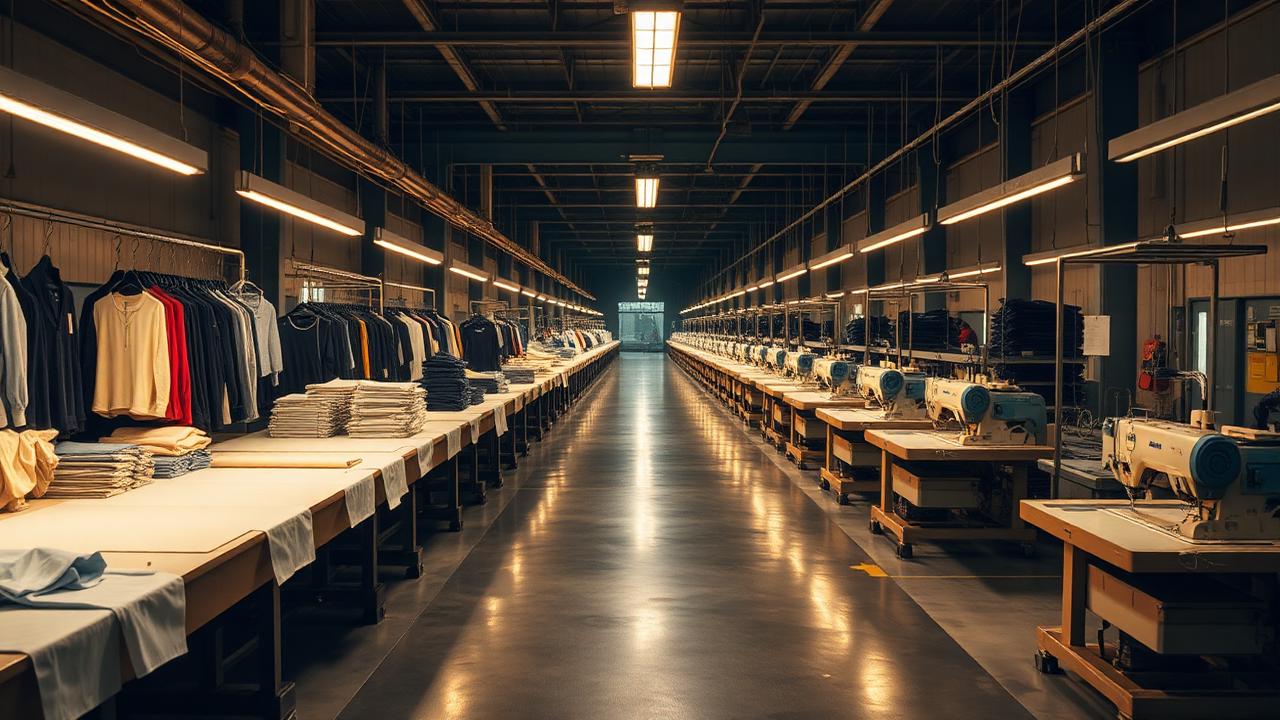
How it works · Free
Order to shipment: how a garment order really flows
Every stage from tech pack to final inspection, what each stage owns, and the handovers where orders usually slip.
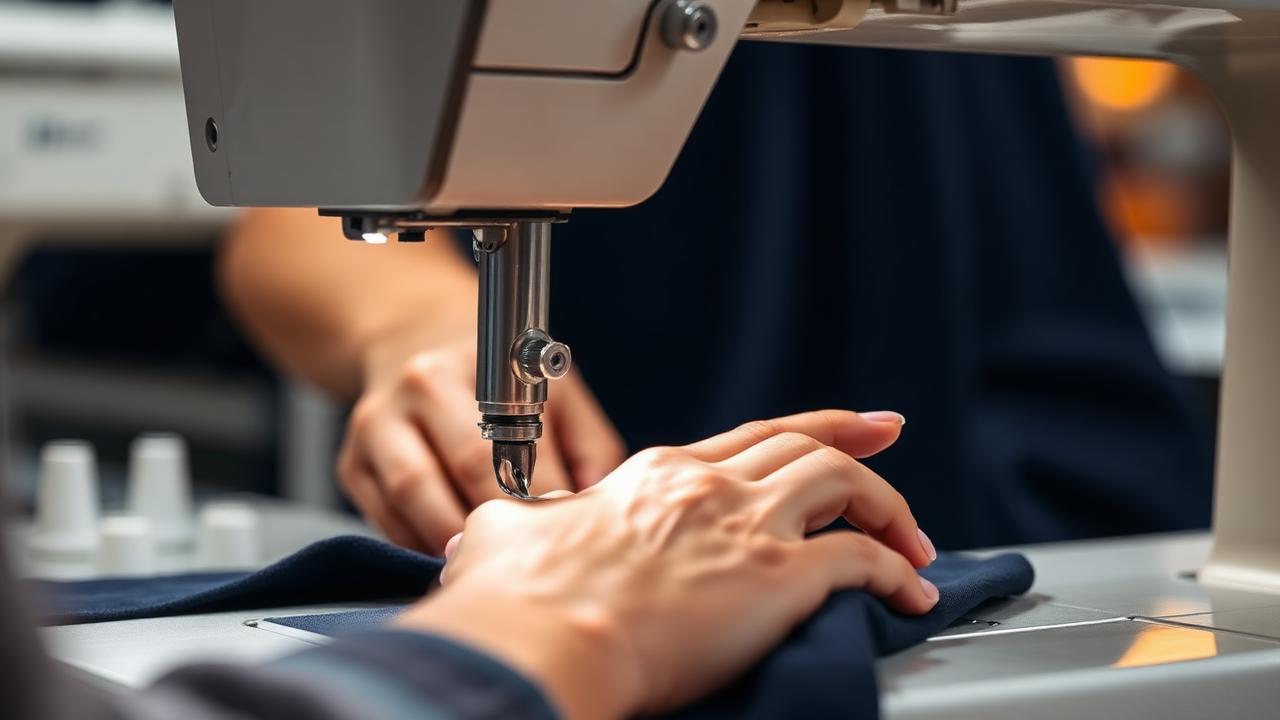
Sewing techniques · Free
Seam types and stitch classes used in real production
SSa, SSae, LSc, EFb and the stitch classes that go with them — how the seam on the tech pack becomes a machine, a folder and a method.

Machinery · Free
How a lockstitch machine actually forms a stitch
Needle, hook, bobbin and take-up: the four-part cycle behind stitch class 301, and the settings that decide seam quality.
Machinery · Free
Overlock, flatlock and fusing explained
Which machine to use where, what each mechanism does to the seam, and the settings that keep knits and interlinings stable.
Other free learning paths
- Garment Quality Foundations
Inspection systems, defect classification, AQL decisions and corrective action from first principles.
- Standards & Compliance Mastery
Social, chemical and product-safety compliance: audit readiness, evidence packs and supplier governance.
- Lean Six Sigma for Apparel
DMAIC applied to real sewing-floor problems, with statistical tools sized for factory data.