
Sustainable Manufacturing Essentials
Sustainability expressed in numbers a factory can act on: consumption per kilogram, loss points, and the changes that pay for themselves inside a year.
This study is free of charge. All NOSK.life learning is free — no fees, no subscriptions, and we never take a single penny from anyone.
- Format
- Lessons with a factory baseline workbook
- Who it is for
- Production, maintenance and sustainability teams

What you will be able to do
- Build a water, energy and waste baseline for your site
- Identify the highest-return efficiency projects
- Understand material choices and their trade-offs
- Report progress in the formats buyers request
Curriculum
- 01
Where the footprint sits
Hotspots across fibre, wet processing, cutting and transport.
- 02
Building a baseline
Metering, normalisation per kilogram and data quality.
- 03
Water and effluent
Liquor ratios, reuse, recovery and discharge quality.
- 04
Energy and steam
Boiler efficiency, heat recovery, compressed air and lighting.
- 05
Materials and circularity
Preferred fibres, cutting waste and end-of-life routes.
- 06
Reporting and verification
Higg-style data, buyer requests and avoiding greenwash.
What you need before starting
- Access to utility bills and production volume data
Free Media Hub explainers for this study
Free photo and diagram walk-throughs that explain the fabric, pattern and machinery detail this material relies on — no fees, ever.
Sustainability · Free
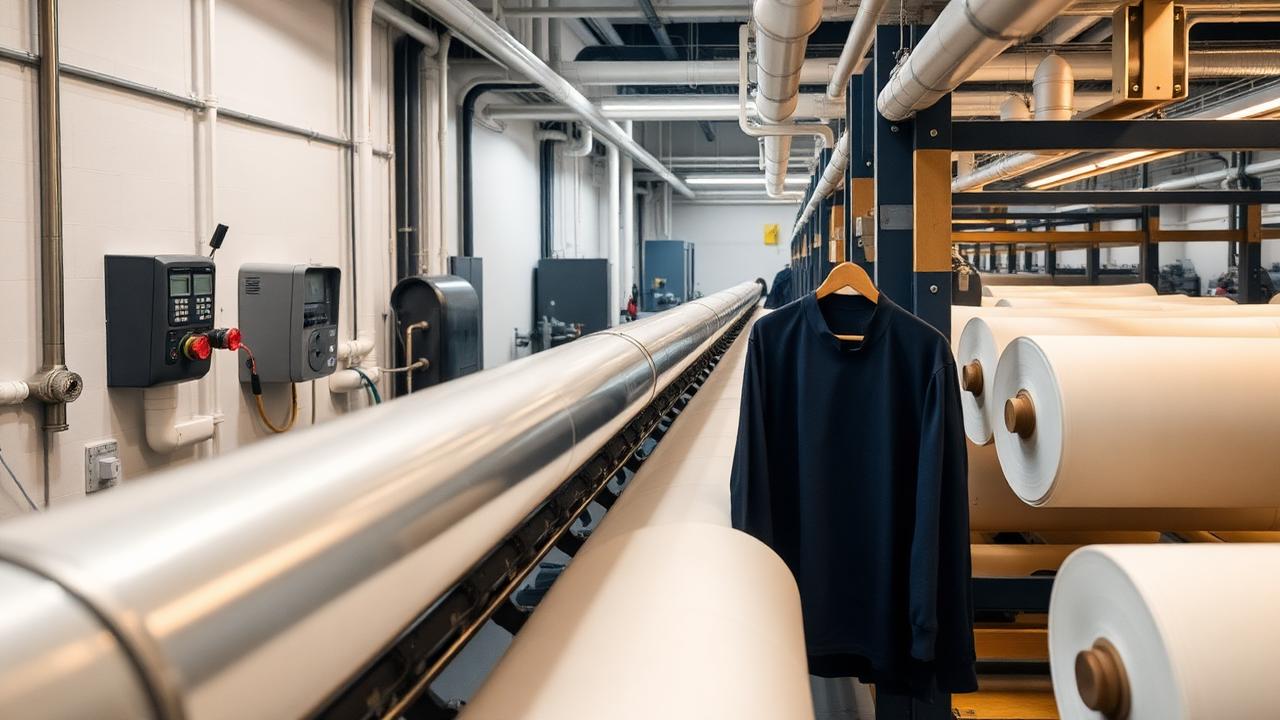
Water, energy and chemicals: how impact is measured in a factory
Litres per kilogram, kWh per garment, ETP limits and MRSL compliance — the numbers a factory can actually measure and improve.
Sustainability · Free
Recycled fibres, traceability and circular claims explained
What recycled content, chain-of-custody certification and design-for-recycling actually require — and which claims a factory can safely support.
Patterns · Free
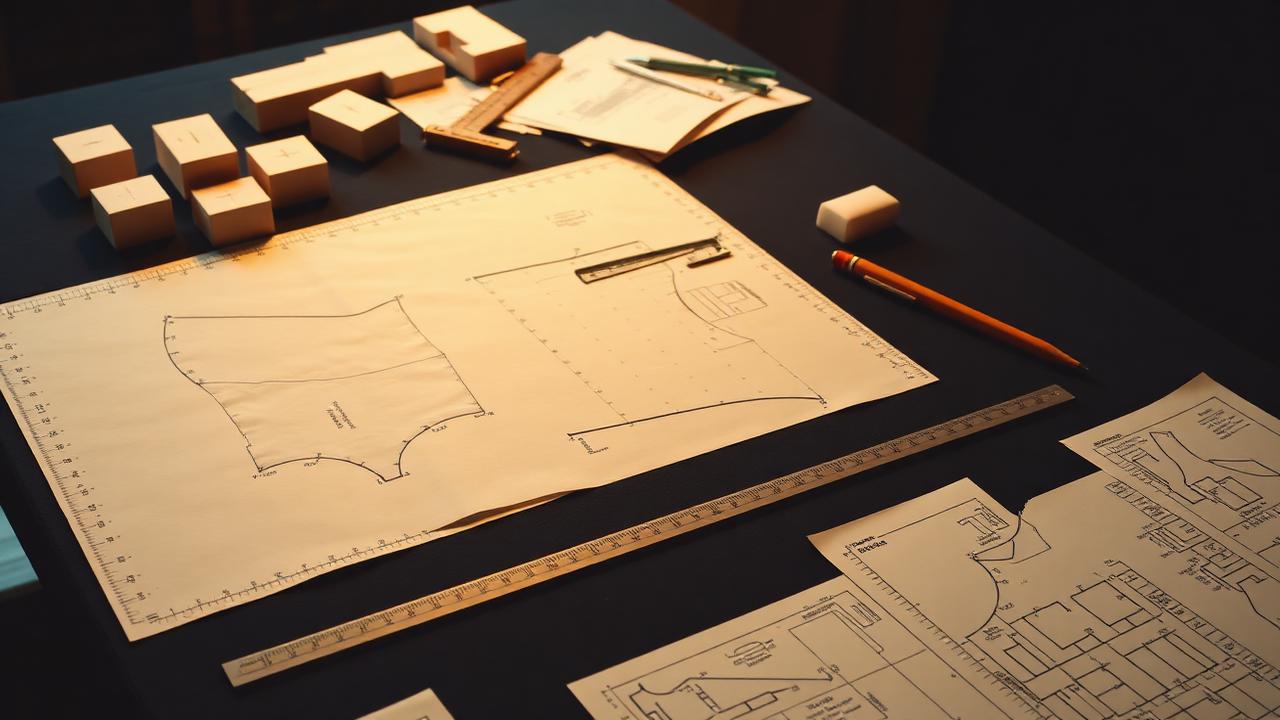
Marker efficiency: where fabric cost is really decided
How marker planning, spreading and ply management move consumption by several percent — and what that means per order.
Fabrics · Free
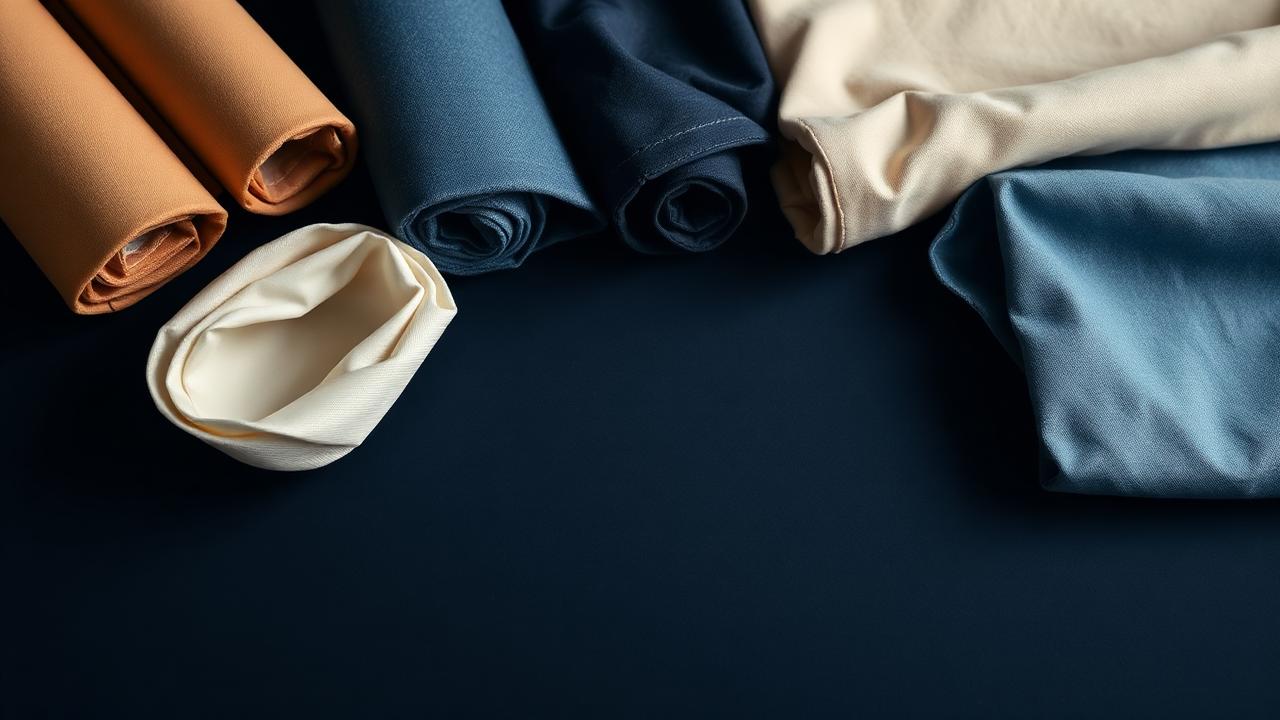
Woven vs knit: how fabric construction changes everything
Warp and weft versus loops and courses — why the same fibre behaves completely differently once it is woven or knitted.
Other free learning paths
- Garment Quality Foundations
Inspection systems, defect classification, AQL decisions and corrective action from first principles.
- Apparel Operations Excellence
Line balancing, capacity planning, WIP control and OEE for cutting, sewing and finishing.
- Standards & Compliance Mastery
Social, chemical and product-safety compliance: audit readiness, evidence packs and supplier governance.